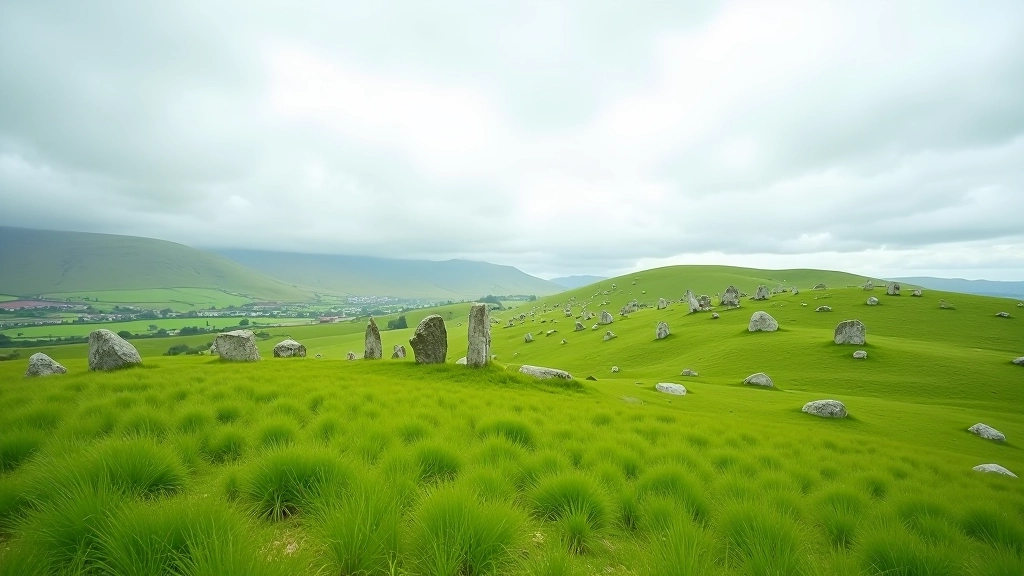
Explore Carrowmore's Ancient Stones
Thoughtfully designed trails for seniors to discover 5,000 years of history at your own pace
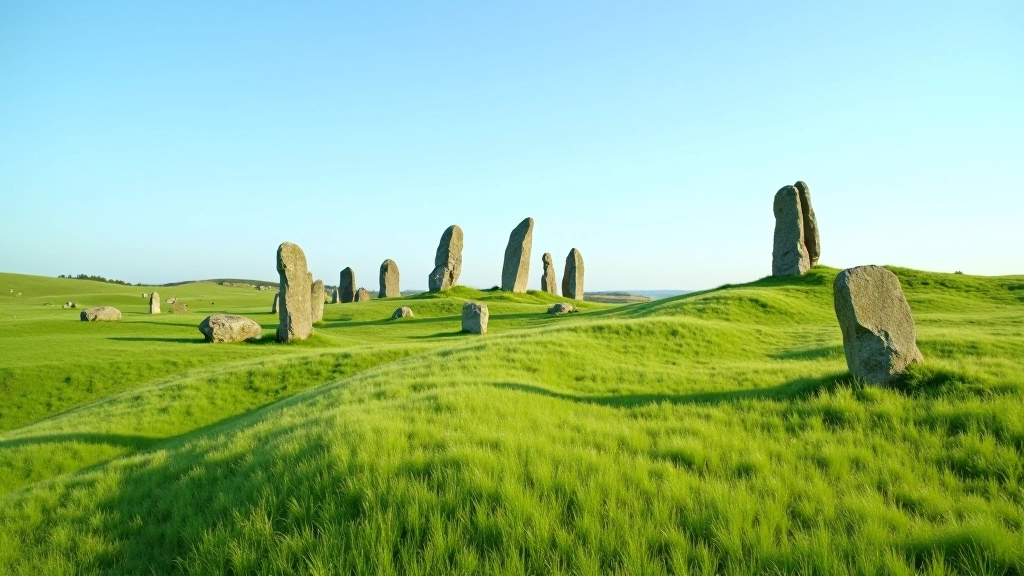
We're passionate about helping seniors connect with Carrowmore's remarkable history. These aren't just old stones — they're stories written in rock, waiting for you to discover them.
" Learn our storyWhat Visitors Say
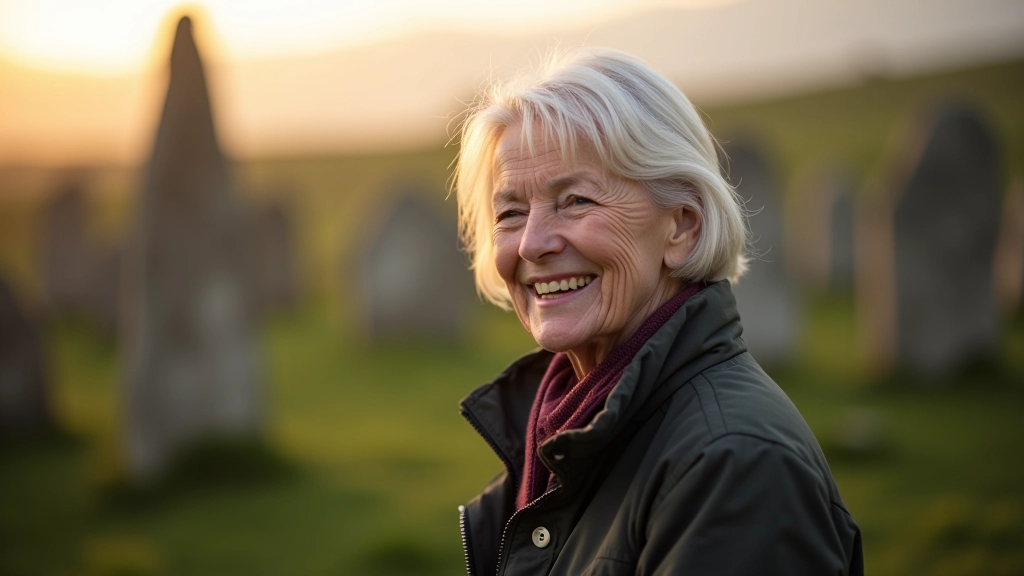
"Wasn't sure I could manage a full walk at first, but the different route options made all the difference. I did the 20-minute loop and felt great. Plus the information plaques are genuinely interesting — not just tourist stuff."
Visited June 2026
What Guides Us
Accessible to Everyone
We've created multiple routes so you can choose what suits your fitness level and interests.
Respect for History
We share what's known about these monuments while acknowledging the mysteries that remain.
Safety First
Practical guidance on terrain, footwear, weather, and pacing helps you enjoy the experience confidently.
Connection to Place
We want you to feel the significance of Carrowmore — to understand why these stones still matter after 5,000 years.
Carrowmore Through Time
The Passage Tombs Built
Neolithic people constructed the earliest monuments at Carrowmore. These weren't just burial places — they were community achievements requiring planning and coordination.
Later Stone Circles Added
Bronze Age people added circles and standing stones to the site, showing Carrowmore remained significant for over a thousand years.
Early Christian Period
The arrival of Christianity changed how people viewed these pagan monuments. Some stones were repurposed or abandoned.
A Living Museum
Carrowmore Cemetery is protected and accessible. Thousands of visitors each year walk the same paths as their ancestors did millennia ago.
Ready to Discover Carrowmore?
We've got everything you need to plan a visit that works for you
Get in TouchExplore More Topics
Guides and practical information for your visit
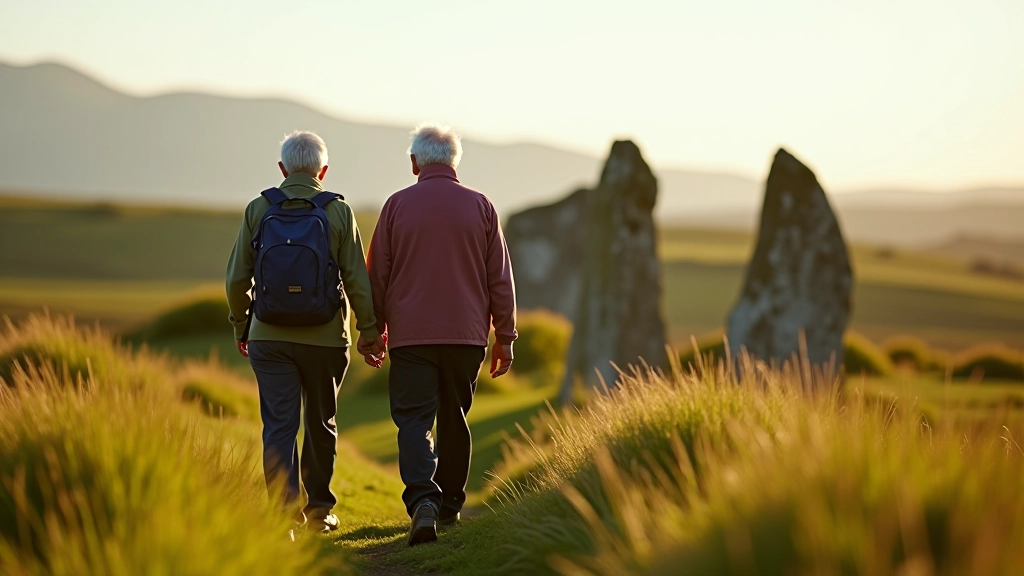
Walking Carrowmore: Routes for Different Fitness Levels
Three distinct paths through the cemetery — from gentle 20-minute loops to longer explorations. Pick what suits you.
Read Guide
What These Stones Tell Us: History and Archaeology
Five thousand years of stories carved into rock. We've broken down what archaeologists actually know about Carrowmore's monuments.
Read Guide
Preparation Tips: What to Bring and What to Expect
Practical checklist covering footwear, weather, pacing yourself, and how the terrain actually feels underfoot. Honest advice.
Read GuideCommon Questions
How long does it take to walk around Carrowmore?
It depends on which route you choose. We've got a gentle 20-minute loop, a moderate 45-minute walk, and a longer full-site exploration that takes about 90 minutes. You can also break it into sections and return another day.
Is the terrain difficult for seniors?
The paths are grassy and generally well-maintained. The shorter routes are quite manageable. We recommend sturdy walking shoes with good grip, and walking poles can be helpful on steeper sections. The terrain is uneven in places, which is why we've provided detailed information about what to expect.
Are there facilities at the site?
Carrowmore has a visitor area with basic facilities. We'd recommend bringing water and snacks, and checking the weather before you go. It's exposed terrain, so weather can change quickly.
Can I visit year-round?
Yes. Spring and summer are ideal, but the site's accessible in autumn and winter too. Just be prepared for wet ground and shorter daylight hours. Some visitors actually prefer winter visits — fewer crowds and dramatic skies.
Do I need a guide?
You don't need a professional guide, but our resources will help you understand what you're looking at. Many visitors find that learning the history beforehand makes the experience much richer.