What These Stones Tell Us: History and Archaeology
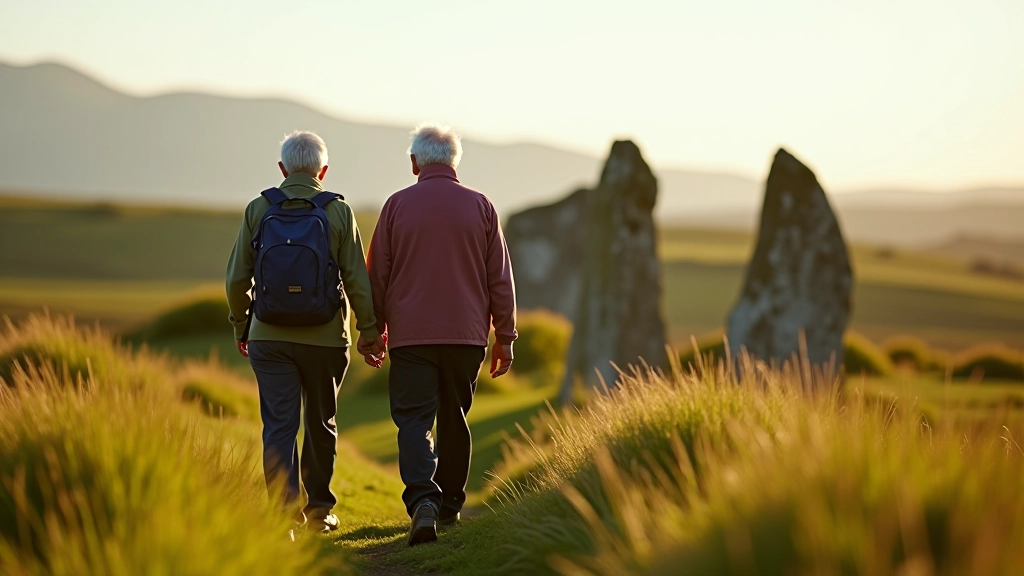
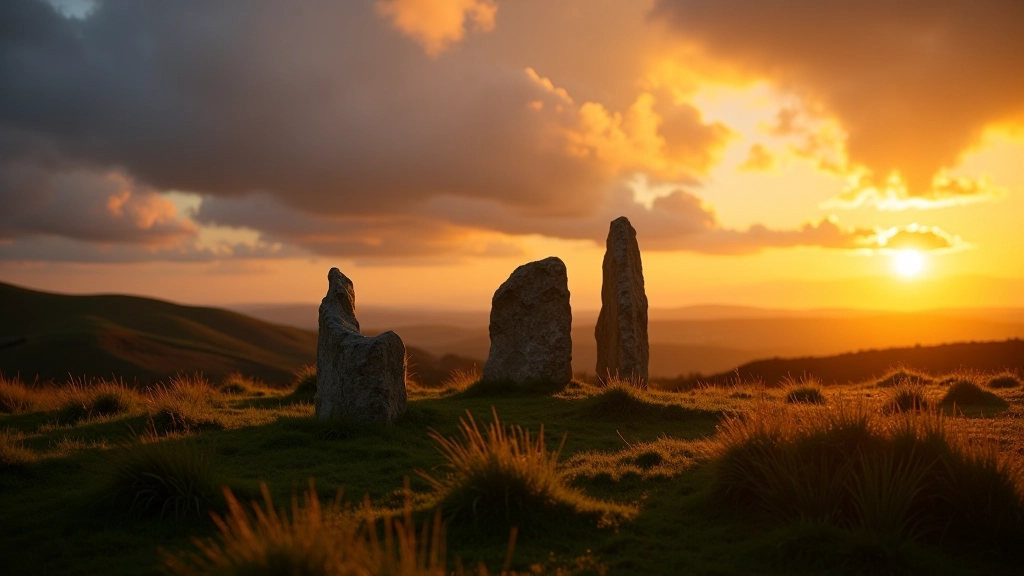
Five thousand years of stories carved into rock. We've broken down what archaeologists actually know about Carrowmore's monuments.

Stone Age Mysteries We Can Actually Solve
Carrowmore isn't just pretty rocks scattered across a hillside. It's an actual archaeological site — one of Ireland's most important megalithic cemeteries. We're talking about 14 passage tombs that've been here since roughly 3800 BCE.
The thing is, these monuments weren't built randomly. Every stone was placed deliberately. Every chamber was designed to work a specific way. And unlike a lot of ancient sites you might visit, Carrowmore's got records. Archaeologists have been studying it seriously since the 1800s, and we've learned quite a bit about what people built here and why.
We're going to walk you through what makes Carrowmore special — not in overly technical language, but in a way that actually makes sense when you're standing there looking at 5,000-year-old stones.
Key Facts About Carrowmore
- 14 passage tombs built over roughly 1,000 years
- Dates: approximately 3800–2800 BCE
- Located near Sligo town, northwest Ireland
- Part of the wider Sligo megalithic complex
- UNESCO World Heritage Site (Céide Fields area)
How Archaeologists Date These Monuments
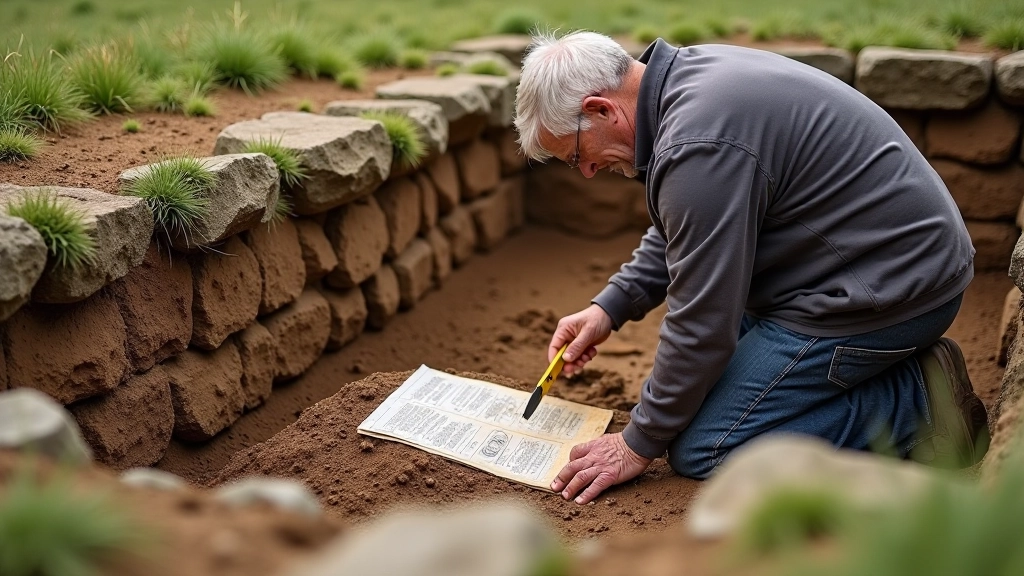
You might wonder how we know Carrowmore's tombs are roughly 5,800 years old. They didn't exactly come with a label. But archaeologists aren't just guessing — they've got methods.
The main technique used here is radiocarbon dating, also called C-14 dating. Basically, organic material (bone, charcoal, plant matter) contains a specific isotope of carbon that decays at a predictable rate. By measuring how much of that isotope remains, you can calculate when the organism died. Sounds complicated, but it works remarkably well.
At Carrowmore, archaeologists found cremated remains and artifacts inside the passage tombs. Those remains gave them dates that clustered around 3800–3600 BCE for the earliest tombs, with some construction continuing for another thousand years or so. That places Carrowmore in the Neolithic period — specifically the late Neolithic, when farming communities were well established in Ireland.
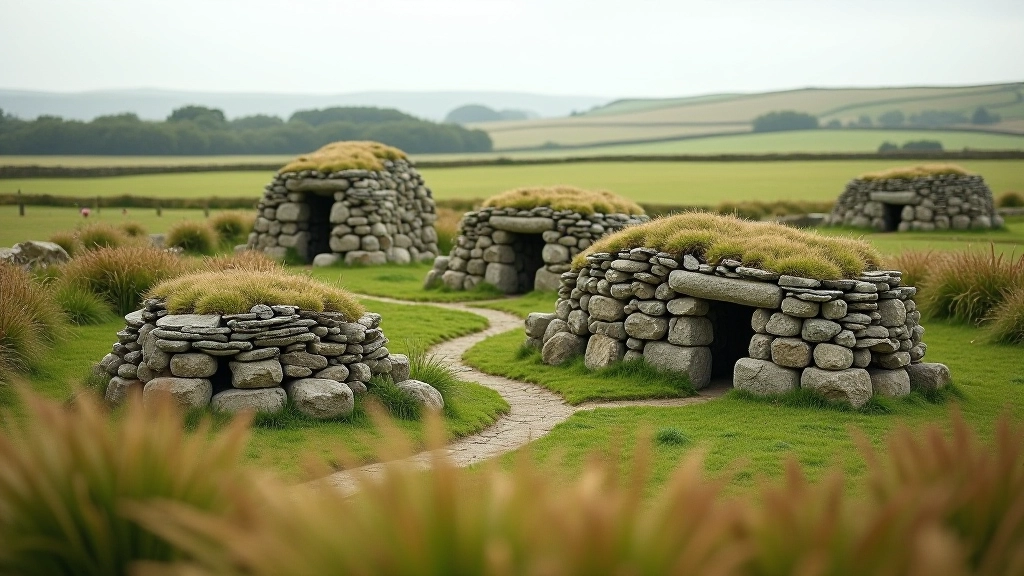
What's interesting is that Carrowmore wasn't built all at once. The tombs were constructed in phases. Tomb 4, for example, seems to be among the oldest. Later tombs show changes in design and construction techniques. So when you're walking around, you're actually looking at a thousand years of building traditions evolving right in front of you.
The Structure of a Passage Tomb
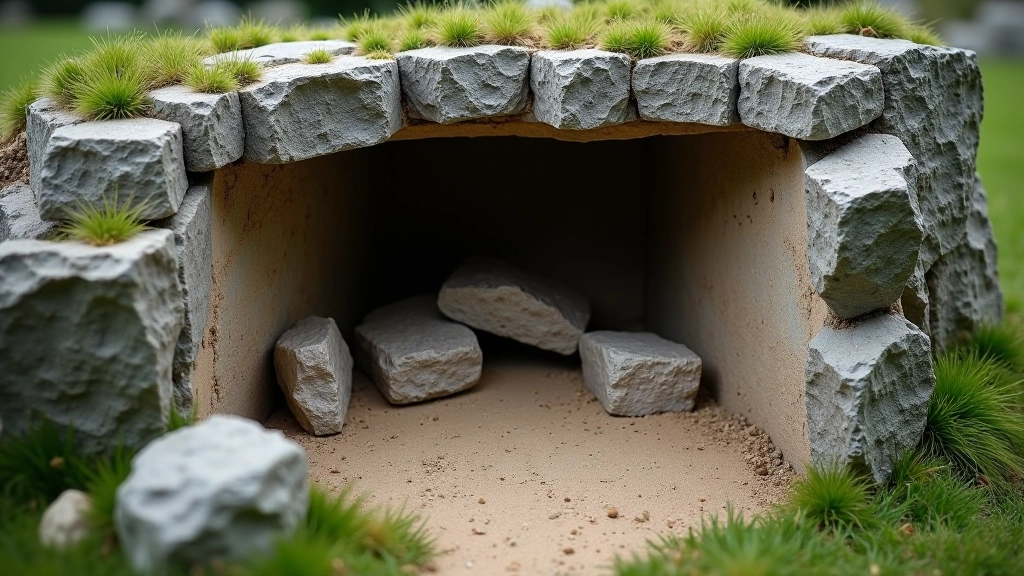
Here's what makes passage tombs different from other burial structures. They've got a specific design: a narrow entrance passage that leads to a central burial chamber, often with smaller side chambers branching off. The whole thing is covered by a cairn — basically a big mound of stones stacked on top.
At Carrowmore, the passages range from quite short (maybe 3 meters) to longer ones. The chambers inside are usually roughly circular or oval. And here's the clever bit — many of them align with celestial events. Tomb 51 at Carrowmore, for instance, has its passage aligned roughly toward the winter solstice sunrise. We don't know for certain whether this was intentional or coincidental, but given how precisely these monuments were built, intentional seems likely.
The stones used weren't small either. Some of the capstones (the big stones that form the roof) weigh several tons. Moving and placing those stones without modern machinery would've taken serious planning and community effort. You're looking at 20, 30, maybe 50 people working together over weeks or months just to build one tomb. That tells us something important about how these communities were organized.
Who Built Carrowmore and Why
The people who built Carrowmore were farmers. Not the sort of farmers we think of today — they weren't working with iron plows or anything. They were early Neolithic farmers who'd recently migrated to Ireland or adopted farming from communities that had migrated. They grew wheat and barley, raised cattle and sheep, and lived in small settlements scattered across the landscape.
Building passage tombs was a massive undertaking. So why'd they do it? The most straightforward answer is that these were collective burial monuments. Multiple people were cremated and placed inside the chambers, sometimes over generations. The tombs served as permanent markers of a community's connection to the land. In a sense, they were saying: "We belong here. Our ancestors are here. This place is ours."
There's also evidence that these monuments were used for rituals beyond just burial. Some archaeologists think they were gathering places, spaces for ceremonies that reinforced community bonds. The effort required to build them would've strengthened social ties — shared labor creates shared identity.
What's fascinating is that Carrowmore isn't isolated. It's part of a wider megalithic landscape. You've got the Knocknarea complex not far away, and other passage tomb groups scattered across Sligo and the northwest. These weren't separate communities — they were connected. People moved between settlements. Ideas about tomb design spread. You can actually trace those design influences by looking at the stones.
The Art and Symbolism in the Stones
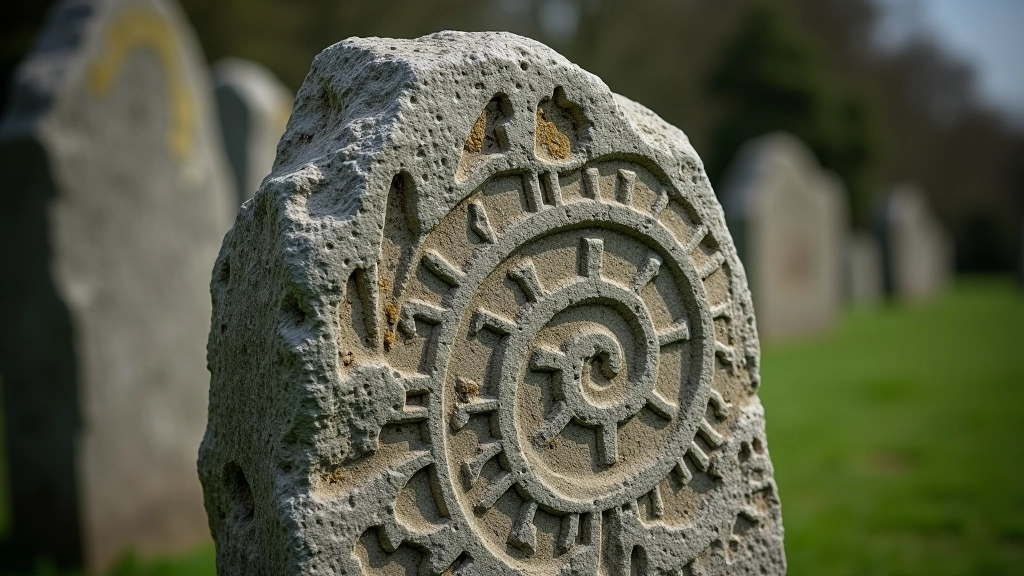
Some of Carrowmore's stones are carved. Not elaborately — we're not talking about realistic portraits or anything — but with geometric patterns. Spirals, circles, wavy lines. These carvings appear on both the interior stones and some exterior ones. They're not random doodles. The patterns repeat across different monuments, suggesting they held meaning.
What did those symbols mean? Honestly, we can't be entirely certain. Some researchers think they represented the sun, water, or fertility. Others suggest they were spiritual or ceremonial symbols specific to the community. What we do know is that someone took time to carve them — carefully, with stone tools. That effort suggests importance.
The carvings also tell us something about craft specialization. Not everyone in these communities was carving stones. This was skilled work. There were probably people recognized as particularly good at it. That hints at social complexity — different roles, different skills, some people having higher status than others.
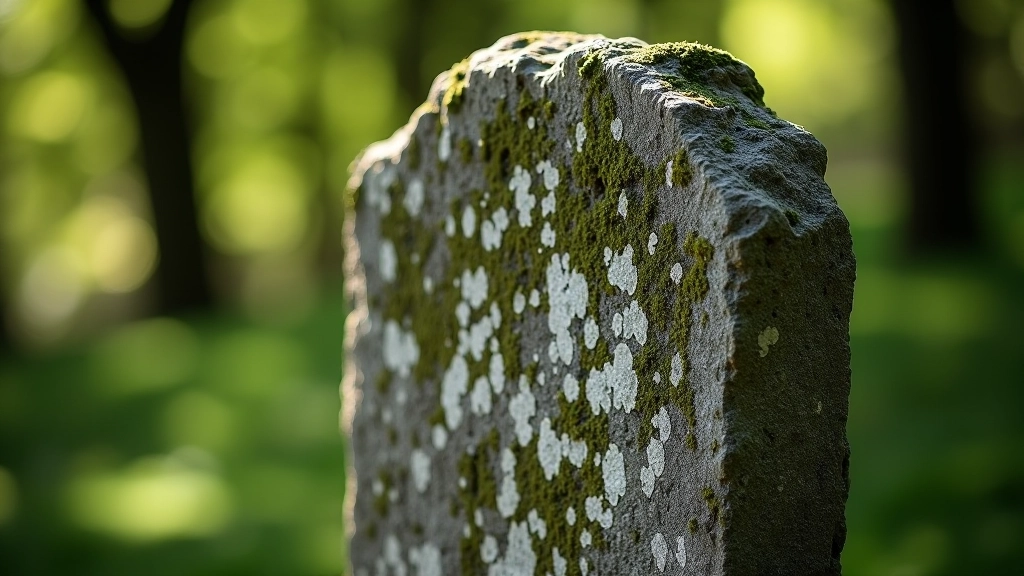
You'll notice some stones at Carrowmore are weathered smooth — the carvings are barely visible now. Others show the marks more clearly. That's partly about the stone type used and partly about how much erosion the face of that particular stone has experienced over 5,800 years. When you're walking around, take time to look closely. Run your hand over the stones (gently). You're actually touching the work of someone who lived in 3800 BCE.
Reading the Past at Carrowmore
Carrowmore isn't just impressive because the stones are big. It's impressive because they tell a coherent story — if you know how to read them. These monuments represent real people with beliefs, skills, and social structures. They weren't mysterious aliens or magical beings. They were Neolithic farmers who figured out how to organize community effort on a massive scale and leave a mark that lasted 5,800 years.
What archaeologists have learned from Carrowmore changes how we understand early Irish history. This wasn't a primitive society. These were people with sophisticated knowledge of construction, astronomy, and symbolic communication. They built for permanence. They thought long-term. And their monuments survived.
When you visit Carrowmore, you're not just looking at old rocks. You're standing in a cemetery that's been actively used — and cared for, studied, and protected — for nearly six thousand years. That's worth paying attention to.
About This Information
This article is educational material based on published archaeological research and heritage management sources. While we've made every effort to ensure accuracy, archaeological interpretation evolves as new evidence emerges. For the most current scholarly information, consult with the heritage authorities managing Carrowmore or published peer-reviewed archaeological studies. This content is intended to enhance your understanding and appreciation of the site — not as a substitute for guided tours or professional archaeological consultation.