
nylonhookloop Logo Nylonhookloop Contact Us
Contact Us

Preparation Tips: What to Bring and What to Expect

A practical guide to visiting Carrowmore's ancient stones — what you'll actually need and what the terrain is really like

6 min read Beginner June 2026
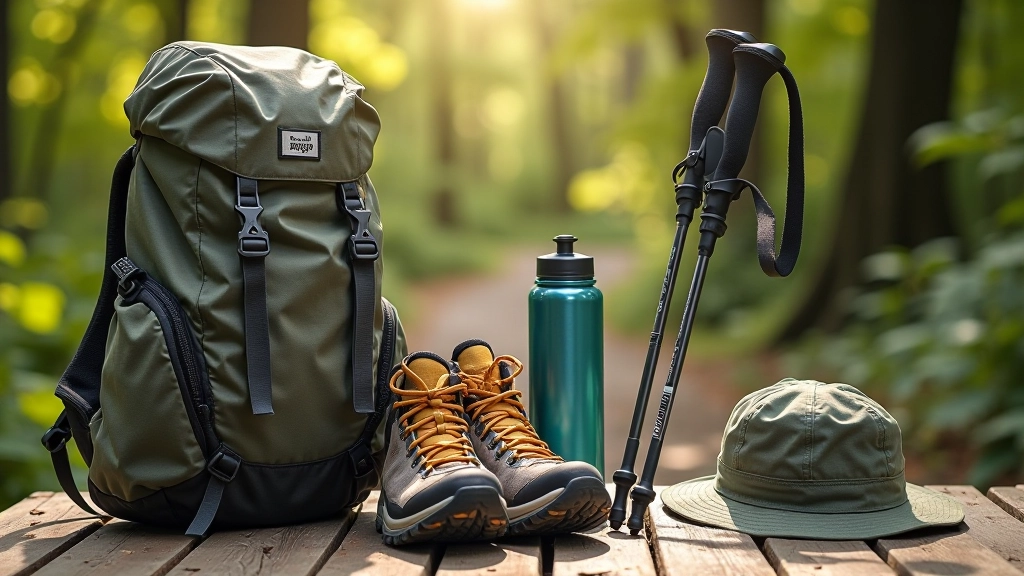
Practical hiking gear laid out on wooden surface: walking poles, backpack, water bottle, and comfortable shoes
Síle Ó Briain

Síle Ó Briain

Senior Heritage & Accessibility Consultant

Heritage accessibility consultant with 16 years' experience designing senior-friendly trails through Ireland's megalithic monuments, based at nylonhookloop Digital Ltd.

The Ground Beneath Your Feet

Let's be honest — Carrowmore isn't a paved path. The terrain here is real, and you'll want to know what you're walking on before you arrive. The cemetery sits on bogland that's been here for thousands of years, and that means the ground shifts depending on recent rainfall. After wet weather, expect patches of genuine mud. After dry spells, it's firmer but still uneven.

Most of the site has been cleared enough that you won't sink in, but it's not flat. The land rolls slightly, and there are occasional soft spots where water collects. This isn't dangerous — it's just the nature of the place. Locals walk it regularly, and visitors manage fine when they're prepared properly.

What matters most is footwear. Really matters. Waterproof hiking boots with decent grip aren't optional — they're essential. Not sneakers, not casual shoes. Proper boots that support your ankles. Your feet will thank you about 20 minutes in when you realize you can actually focus on the stones instead of where you're stepping.
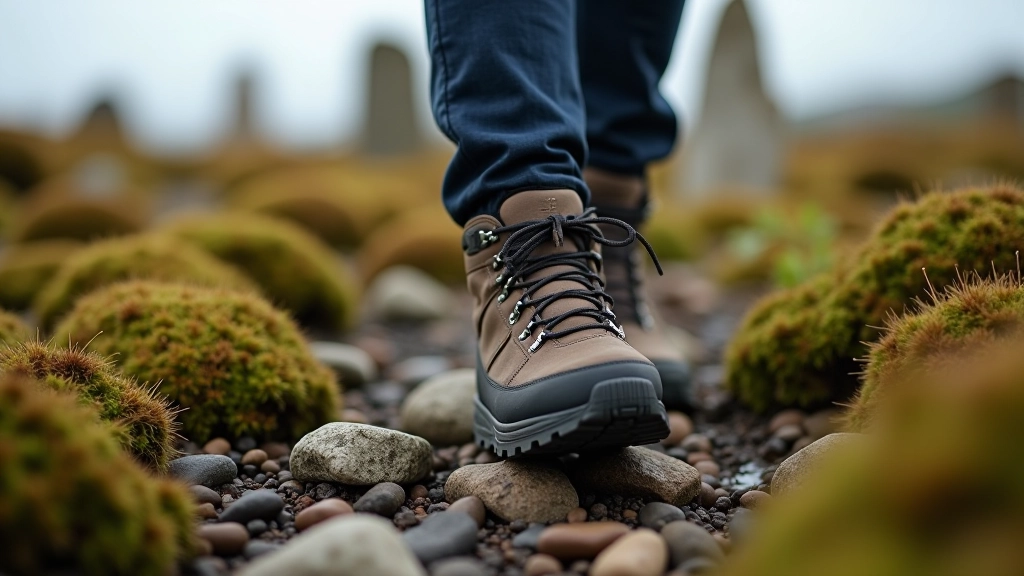
Close-up of sturdy waterproof hiking boot on rocky bogland terrain with moss and uneven ground
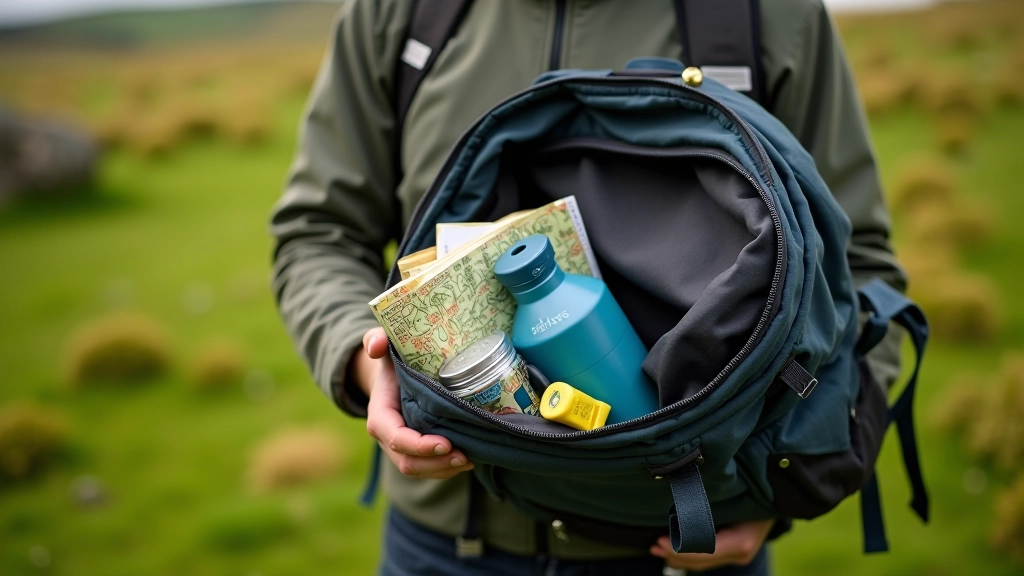
Backpack and daypack with water bottle, first aid kit, and lightweight jacket arranged on grass

What Actually Goes in Your Bag

You don't need much, but what you bring matters. A small daypack — the kind that fits a water bottle and a jacket — is plenty. You're not hiking to a mountain top. Most people spend 45 minutes to two hours at Carrowmore depending on how thoroughly they explore.

Here's what we see people actually use:

  • Water. One or two bottles. The site has no facilities, and you'll want to drink while you're there.
  • A light jacket. Even if it's not raining when you arrive, it can turn quickly on the west coast. Something windproof is better than something warm.
  • A hat or sunscreen. There's very little shade at the site. The stones don't provide cover, and exposure adds up fast.
  • Phone for photos. Most people want pictures. Make sure you've got battery.
  • A small snack if you're there more than an hour. Energy bars work better than full meals — you're not sitting down for lunch.
  • Walking poles if you need them. Not everyone does, but they genuinely help with balance on uneven ground, especially on the way down.

Skip the heavy camera equipment unless you're serious about photography. Your phone captures the stones just fine. Skip the backpack if you can — hand a small bag or even cargo pants pockets are often enough for what you actually need.

What the Experience Actually Feels Like

Here's what happens when you visit. You'll park at the entrance — a proper car park, nothing rough about that. Then you walk through a gate and immediately the world feels different. You're on open ground with 30-odd stones scattered across the landscape. Some are massive (we're talking 15-20 feet tall), others are more modest. The arrangement isn't obvious at first — you're not following a clear path from stone to stone. You're walking across the site and discovering them.

Real numbers: Most visitors spend between 45 and 120 minutes at the site. It's not a quick 15-minute stop. You'll want time to really look, maybe sit by a stone if the weather's decent, take photographs from different angles.

The walking itself isn't strenuous. It's not a hike. You're covering maybe a mile total, sometimes less depending on which stones you visit. The terrain is the challenge, not the distance. Uneven ground makes you walk differently than you would on a pavement — slower, more carefully. That's not a bad thing. It makes you pay attention.

Weather is the biggest variable. On a clear day with decent light, Carrowmore is genuinely beautiful. The stones cast shadows, the landscape opens up around you, and you can see for miles. Rain changes everything — the sky closes in, the light goes grey, and the whole atmosphere becomes more intimate. Some people prefer the rain. It feels more authentic somehow. Either way, prepare for both possibilities.

Pacing Yourself — and the Weather Reality

Don't rush it. The biggest mistake people make is treating Carrowmore like they're trying to cover ground. You're not. You're there to stand near stones that are 5,000 years old. That deserves time. Walk slowly. Stop frequently. Sit if you want. There's no schedule except the one you create.

Bring waterproof trousers if rain is forecast. Not everyone does, but wet trousers make a two-hour visit genuinely uncomfortable. A lightweight rain jacket is good, but rain trousers transform the experience from "enduring wet weather" to "walking in the rain," which is completely different psychologically.

Mobile phone coverage is fine here — you're not out in wilderness. Signal reaches the site well enough to send messages or check the time. Weather can change quickly though, so check the forecast before you go. The west coast of Ireland isn't like other places. Weather systems roll in fast, and what looks promising at 10 a.m. can be properly wet by noon.

Bring more water than you think you'll need. The wind is constant, especially in summer, and you don't notice how much you're sweating because evaporation is rapid. Two bottles is honestly the minimum. Three if you're planning to spend over 90 minutes there.

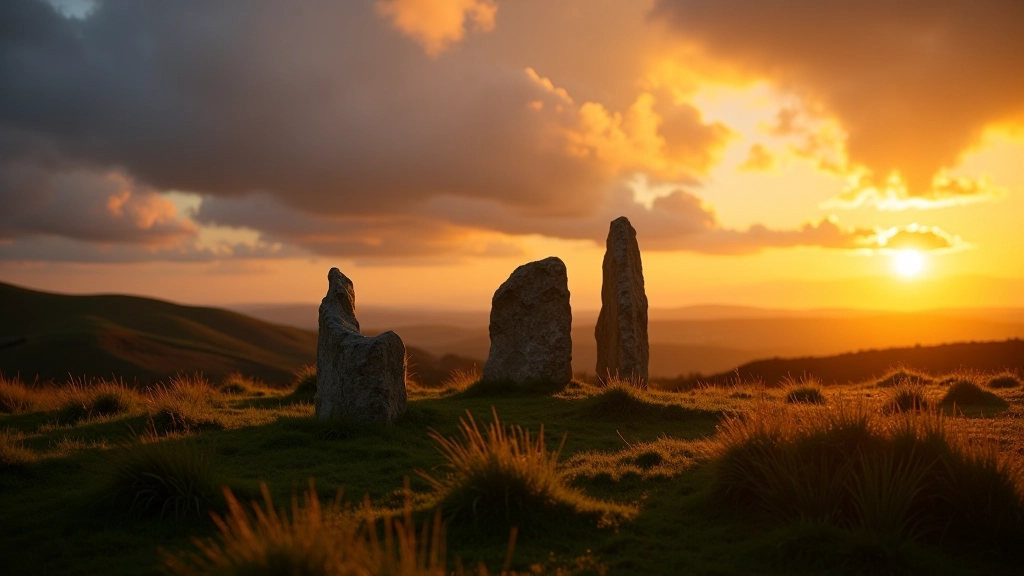
Weather-changing sky over ancient megalithic stone circle at golden hour with dramatic cloud formations

The Practical Checklist

Footwear

Waterproof hiking boots with ankle support. Non-negotiable. Budget for decent ones — they'll last years and get used everywhere.

Water & Hydration

Two bottles minimum. Three if you're planning 90+ minutes. The wind dries you out faster than you realize.

Weather Protection

Waterproof jacket and windproof layer. Rain trousers if rain is forecast. A hat or sunscreen for clear days.

Bag

Small daypack. Hands-free is better for balance on uneven ground and lets you take photos easily.

Documentation

Phone with full battery. Bring a portable charger if your battery drains quickly. Optional: walking poles if you need balance support.

Sustenance

Energy bars or light snacks for longer visits. Nothing heavy — you're not eating a meal, just maintaining energy.

Final Thoughts

Carrowmore isn't difficult to visit — it's just different from paved attractions. The preparation isn't about special skills or extreme fitness. It's about respecting the ground you're walking on and the weather you're walking through. Come with proper boots, enough water, and realistic expectations about pacing, and you'll have an experience you won't forget.

The stones have been here for 5,000 years. They're not going anywhere. Neither should you be in a hurry.

Important Disclaimer

This article provides general guidance based on typical conditions at Carrowmore. Weather, ground conditions, and site accessibility can vary significantly depending on season, recent rainfall, and maintenance schedules. Individual circumstances differ — factors like mobility, age, fitness level, and health conditions affect what preparation you'll need. Always check current weather forecasts, contact local visitor services for current site conditions before visiting, and consider your personal abilities honestly. If you have mobility concerns or health conditions, consult relevant professionals before attempting any trail or outdoor activity. This information is educational and based on general experience — it's not a guarantee of conditions or suitability for your specific situation.