
nylonhookloop Logo Nylonhookloop Contact Us
Contact Us

Photography and Sketching: Capturing Your Visit

Learn how to capture the magic of Carrowmore's ancient stones — whether you're using a phone camera or a sketchbook.

8 min read All Levels June 2026
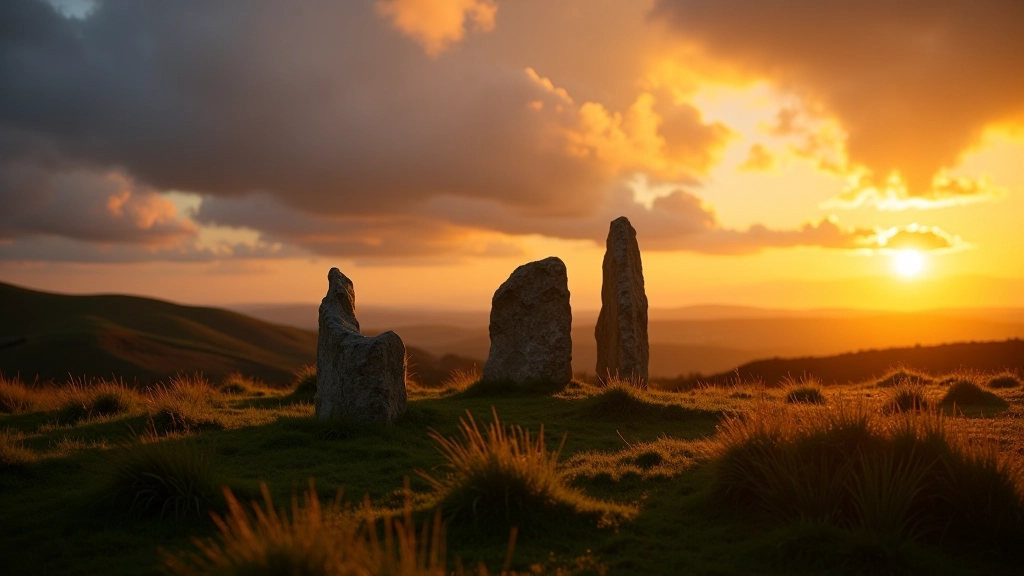
Sligo landscape at golden hour with ancient dolmen silhouetted against dramatic sky and green hills
Síle Ó Briain

Author

Síle Ó Briain

Senior Heritage & Accessibility Consultant

Why You'll Want to Capture This

Carrowmore isn't just a place to walk through — it's a place that demands to be remembered. The stones have been standing for 5,500 years, and they'll be there long after you leave. But your photos and sketches? Those are what'll bring the moment back.

Here's the thing though: you don't need fancy gear. Your phone works. A pencil and paper work even better for some people. What actually matters is understanding the light, finding the right angles, and knowing what you're actually looking at. That's where the magic happens.
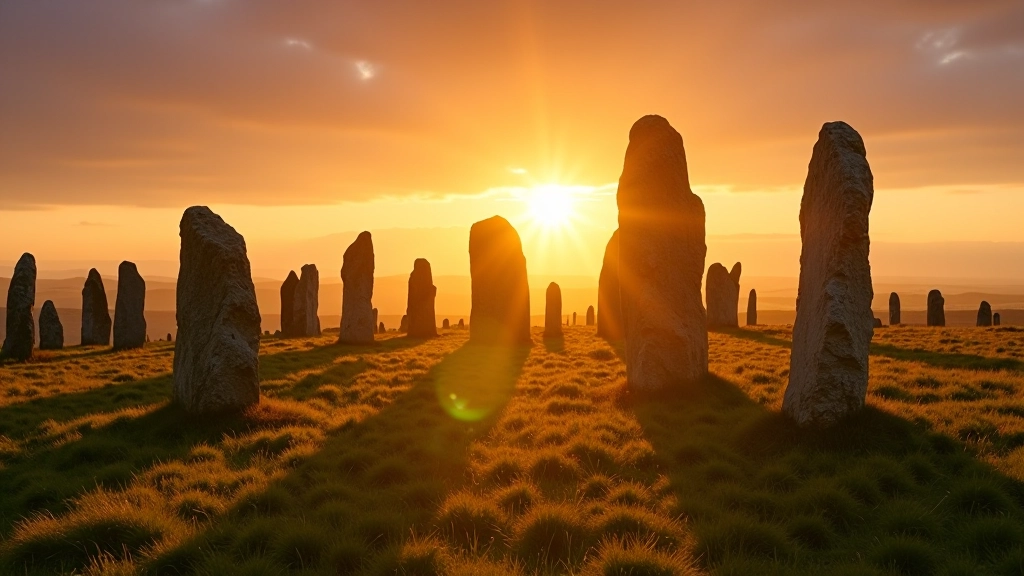
Golden hour light streaming across ancient stone circle in Sligo, warm orange glow on weathered rocks
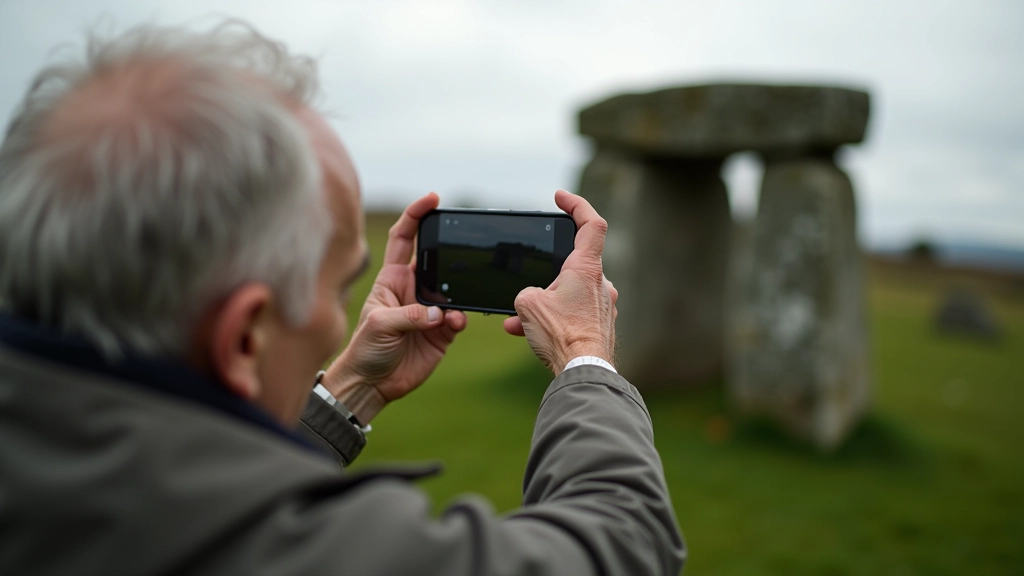
Photographer with smartphone taking picture of dolmen against cloudy Irish sky

Golden Hour Is Your Best Friend

If you're serious about photography, you'll want to time your visit. The hour after sunrise and the hour before sunset — photographers call this golden hour — transforms everything. The light comes in at a low angle, it's warm and soft, and it makes stone look absolutely alive.

At Carrowmore, golden hour happens roughly between 7-8 AM (depending on season) and again around 5-6 PM. The shadows stretch across the grass, the stones glow warm brown instead of gray, and you'll get texture and depth you can't find at midday. It's the difference between a snapshot and something you'll actually frame.

Can't make those times work? That's okay. Overcast days are actually fantastic — the clouds diffuse light evenly, so you don't get harsh shadows and blown-out highlights. Just not as dramatic.

Quick Timing Guide

Best light: Golden hour (first/last hour of daylight)
Second best: Overcast days (soft, even light)
Avoid: Midday (harsh shadows, washed-out colors)
Seasonal note: Summer means longer golden hour windows; winter is shorter

Composition Without the Jargon

You don't need to memorize the rule of thirds or learn about leading lines. What you need is to stand somewhere and actually look. Don't just point your camera at the nearest stone and snap. Move around. See what's behind you, what's in the foreground, where the sky is most interesting.

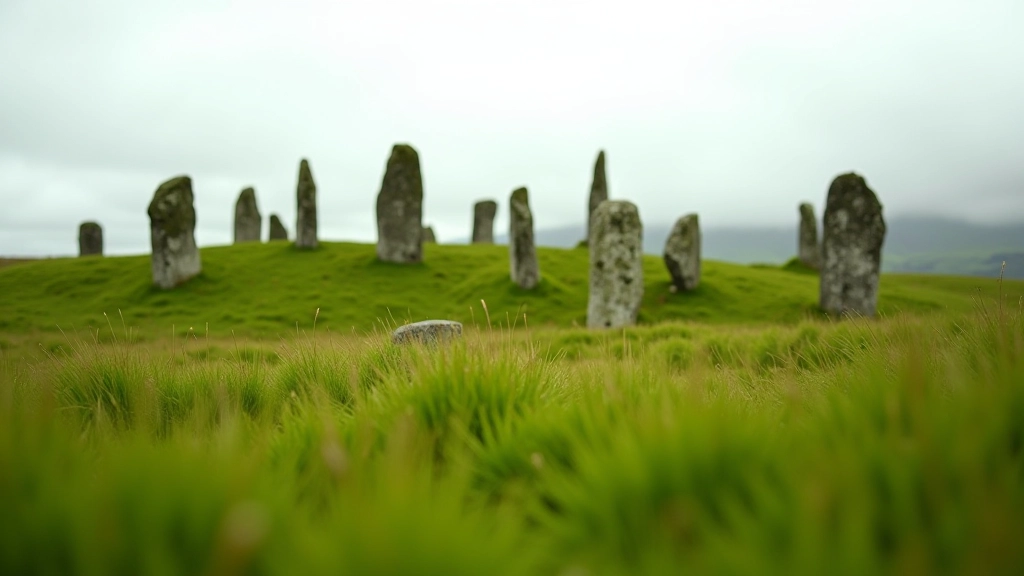
One simple trick: include something in the immediate foreground — grass, a small stone, a fence post. This creates depth. Your eye travels from the foreground through the main stones and up to the sky. That's more interesting than a flat shot where everything's the same distance away.

Another thing — get low. Crouch down or sit on the grass and shoot from that angle instead of standing up. The stones suddenly look bigger and more imposing. You're changing the entire feeling of the image just by changing your perspective.

Wide angle view of multiple standing stones across open hillside with foreground grass in focus
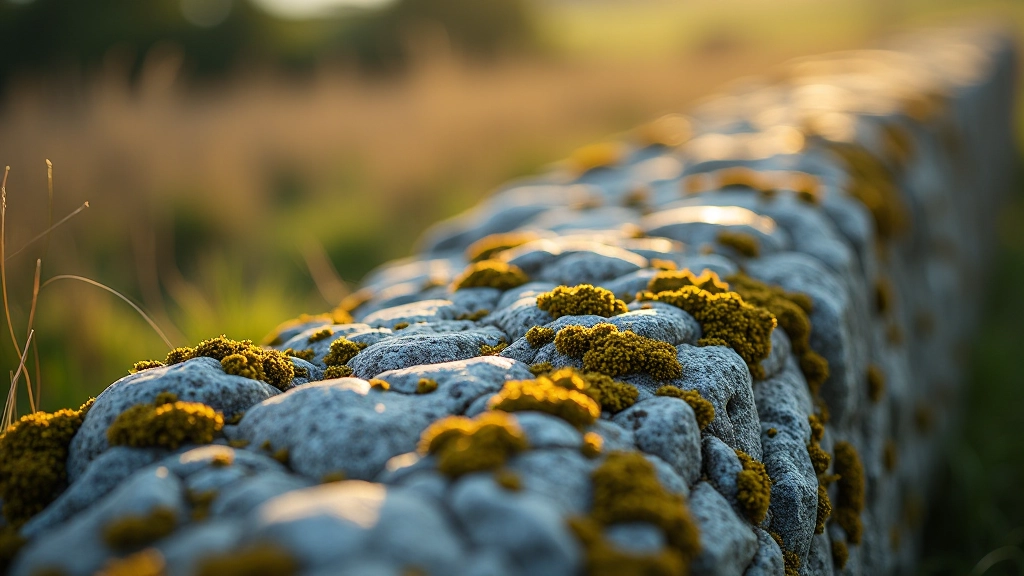
Close-up of weathered stone texture with moss and lichen detail

Why Sketching Might Beat Photography

Here's something we don't talk about enough: sketching is better for memory than photography. When you draw something — even badly — your brain actually processes it differently. You're noticing details, you're slowing down, you're making decisions about what matters and what doesn't.

A quick 10-minute sketch captures the feeling of a place in a way a hundred photos sometimes don't. You notice the moss on the north side of the stone. You feel the slope of the land. You remember the specific angle of a particular rock because your hand traced it.

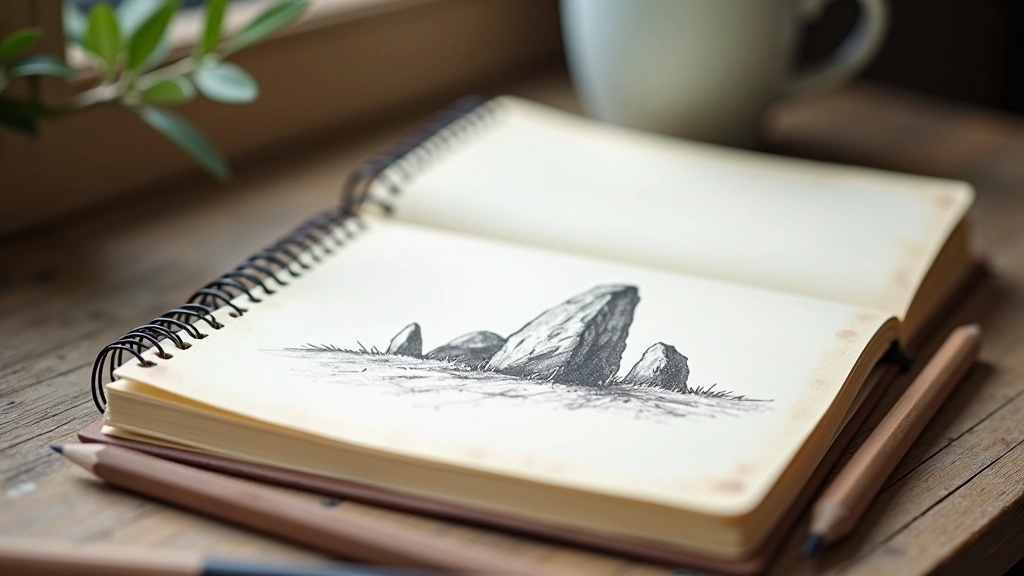
You don't need artistic skill. Seriously. A basic pencil, a small notebook, and 10 minutes per stone is enough. Sketch the outline, add some shading to show texture, maybe note down the light direction with an arrow. Years later, you'll look at that sketch and remember everything about being there.

Practical Tips for Any Equipment

If you're using your phone: clean the lens before you start. Seriously. A quick wipe on your shirt makes a huge difference. Use portrait mode if your phone has it — it'll blur the background slightly and make the stones stand out. And for sketching: bring a soft pencil (2B or 4B), not a hard one. It's easier on your hand during a long visit.

Weather protection matters. Bring a small plastic bag for your phone or sketchbook if rain's forecast. Wet grass means damp ground, so a small cushion or waterproof pad is worth the space in your bag. You'll be more comfortable and you'll spend more time capturing what you want.

One last thing — bring a notebook just for notes. Write down what you were feeling, what the weather was like, what caught your eye. These details transform a photo or sketch from "oh, that's Carrowmore" into a real memory that's actually yours.

Sketchbook with pencil drawing of standing stone on weathered notebook pages

Capturing Your Own Story

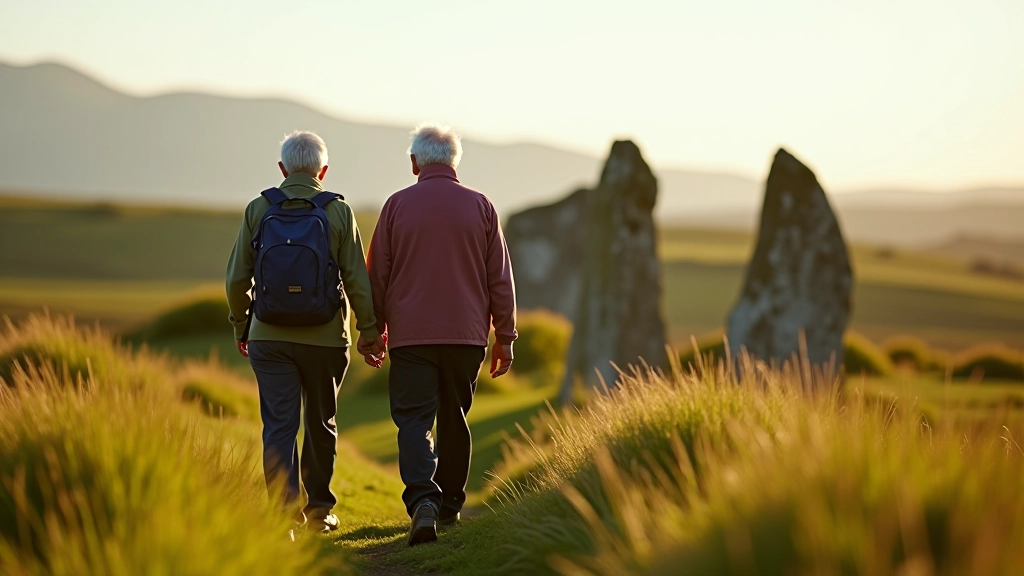
The stones at Carrowmore have been telling their story for millennia. Your photos and sketches are how you tell yours. Whether you're using a high-end camera, your phone, or just a pencil, the real skill isn't technical — it's about slowing down and actually paying attention to what's in front of you.

Golden hour light, a low angle, foreground depth, and maybe a quick sketch or two. That's all you need. Come visit, spend time with the stones, and bring back something that's genuinely yours — not a generic postcard, but a real memory captured the way only you can capture it.

Disclaimer

This article is provided for informational and educational purposes only. Photography and sketching techniques described are based on general best practices and may vary depending on your equipment, experience level, and weather conditions. Weather at Carrowmore can change rapidly — always check forecasts before visiting and bring appropriate clothing. Lighting conditions and visibility depend on season and time of day. This content is intended to help you plan your visit and capture your own experience; individual results will vary based on your specific circumstances and skill level.