Walking Carrowmore: Routes for Different Fitness Levels

Three Ways to Experience Carrowmore
Carrowmore megalithic cemetery in County Sligo is one of Ireland's most accessible ancient sites. You don't need to be super fit to enjoy it. We've mapped out three distinct paths — from a gentle 20-minute loop to a longer 90-minute exploration. Pick what suits you, and don't worry about the weather. These routes work in sun or rain.
Route 1: The Short Loop (20 Minutes)
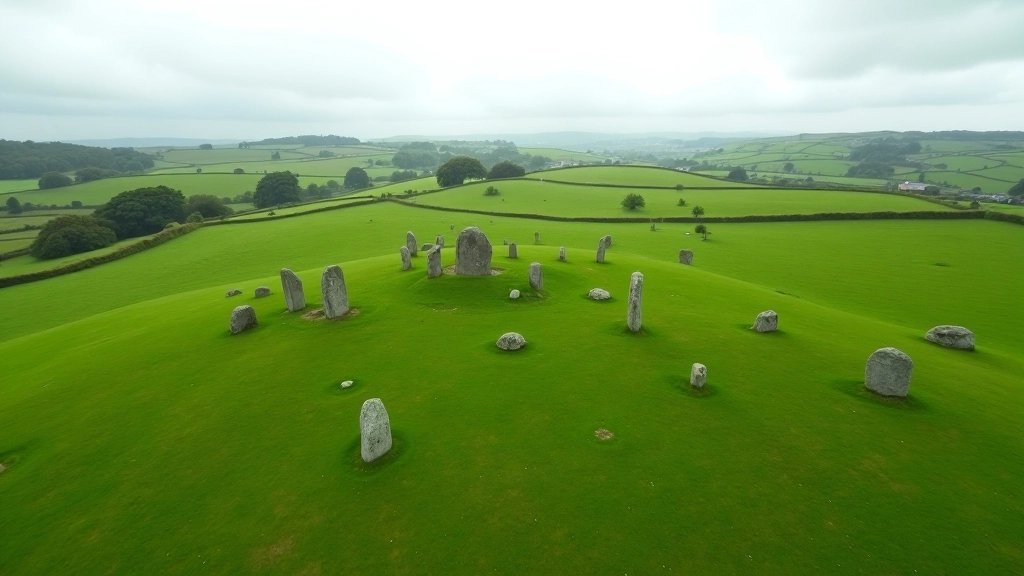
Start here if you're just testing the waters or prefer a quick visit. This route covers about 800 meters and keeps you near the visitor center. You'll see the central cluster of stones — the real heart of Carrowmore — without venturing far into the fields.
- Distance: 800 meters round trip
- Time: 20-25 minutes at a relaxed pace
- Terrain: Mostly flat, well-maintained paths
- Best for: Mobility concerns, limited time, first-time visitors
- Highlights: Central dolmens, information plaques, clear sightlines
The path is wheelchair-accessible for most of this route. There's a gentle incline near the visitor center, but it's manageable. Benches placed every 50 meters or so — you'll find spots to sit and catch your breath.
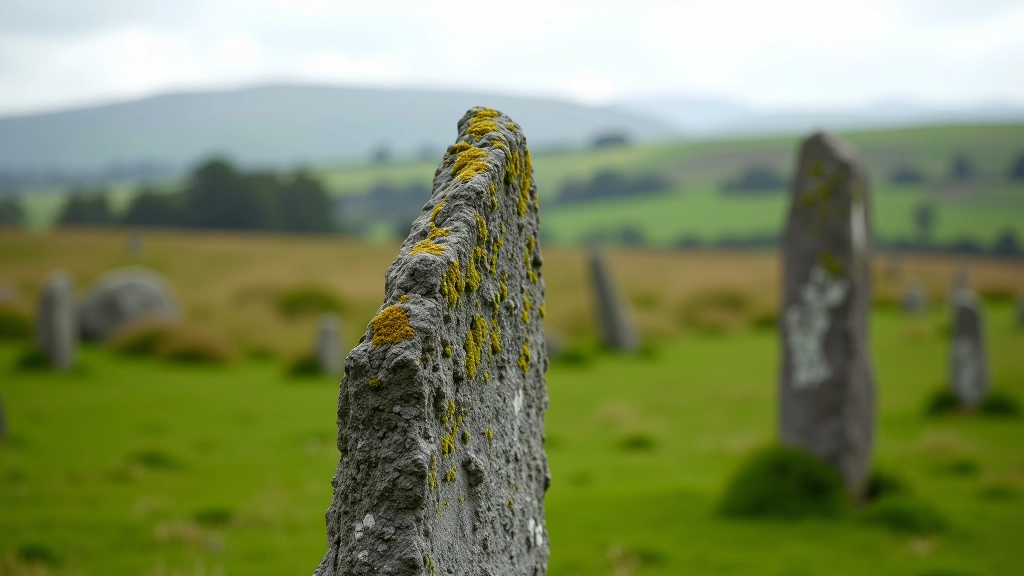
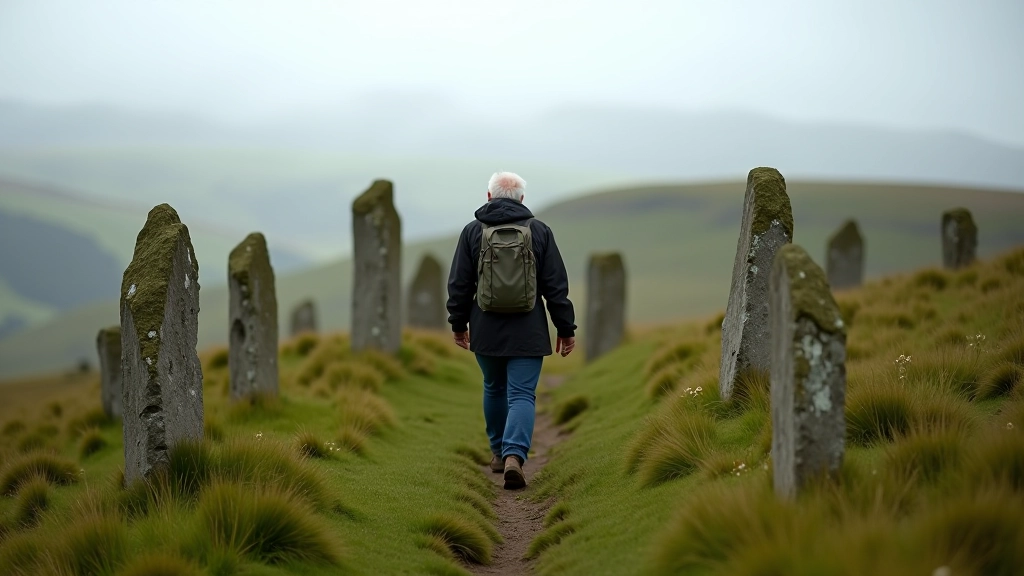
Route 2: The Classic Path (45 Minutes)
This is the goldilocks option. You're getting a proper sense of the place without overcommitting. The route takes you through the main monuments, along field edges, and includes one modest hill. Most people find it comfortable — nothing strenuous, but you're definitely moving.
- Distance: 2 kilometers round trip
- Time: 45-60 minutes depending on photo stops
- Terrain: Mixed paths, one gradual hill, grass fields
- Best for: Moderate fitness, comfortable walkers, history enthusiasts
- Highlights: 30 monuments, panoramic views, quieter stone circles
You'll climb about 60 meters in elevation. Not steep — more like walking up three flights of stairs spread over 400 meters. The view from the top is worth it. On clear days you can see Benbulben mountain. Bring water for this one.
Route 3: The Full Explorer (90 Minutes)
Ready to see the whole story? This route covers the entire Carrowmore complex. You're walking between fields, climbing two hills, and discovering isolated monuments that most visitors miss. It's the real archaeological experience — but it's not a ramble for someone with limited mobility.
- Distance: 4.5 kilometers round trip
- Time: 85-110 minutes, depending on pace
- Terrain: Field paths, two moderate hills, some muddy sections
- Best for: Regular walkers, serious monument enthusiasts, photographers
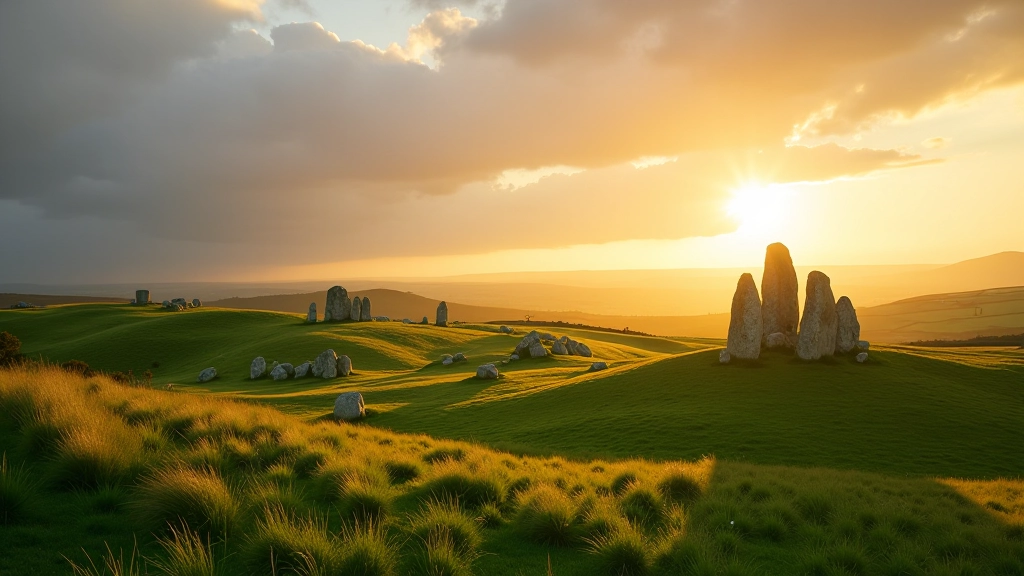
- Highlights: All 61 visible monuments, isolated dolmens, sweeping views
The longest hill climb is about 80 meters elevation over 600 meters distance. Doable but noticeable. Wear proper walking shoes — the ground gets soft after rain. There's minimal shade on this route, so go early morning or late afternoon in summer. Bring 1.5 liters of water.
Practical Tips for Every Route
Pacing Yourself
Don't rush. The short route isn't boring — it's strategic. You're seeing genuine archaeology, just less of it. Take breaks whenever you need. Sit on a stone, enjoy the quiet. There's no time limit here.
Weather Reality
Sligo weather is unpredictable. You'll get rain. Waterproof jacket, proper shoes, and a sense of humor are non-negotiable. The sites look dramatic in mist anyway — it's almost atmospheric.
Navigation
The visitor center provides maps. They're decent. The paths are marked, but the longer routes involve field walking where you need to read the landscape. Go with someone if it's your first time on route 3.
Accessibility Details
Route 1 is genuinely accessible. Routes 2 and 3 aren't — there's uneven ground, gates to open, and terrain that doesn't accommodate wheelchairs. But if you've got reasonable mobility, you'll manage.
Best Times to Visit
Late spring (May-June) and early autumn (September-October) are ideal. Summer's busy with tourists. Winter's quiet but cold. Morning light is best for photography on any route.
What to Bring
Water, snacks, sun cream (yes, even in Ireland), a charged phone, and a light layer. For route 3, add a proper backpack and consider trekking poles. The visitor center has toilets — use them before you start.
Finding Your Fit
Carrowmore isn't about proving something. It's about connecting with places that matter. Whether you're doing 20 minutes or 90, you're standing where people stood 5,500 years ago. That's the real point. Choose the route that lets you enjoy that without feeling pushed. There's no wrong choice here — only the one that works for you.
Important Disclaimer
This guide is informational only and based on general conditions at Carrowmore. Individual fitness, mobility, and health circumstances vary significantly. If you have mobility concerns, balance issues, or medical conditions affecting your ability to walk, consult your healthcare provider before attempting any of these routes. Weather conditions change rapidly in Ireland — always check the forecast and be prepared to adjust your plans. The terrain can be muddy, uneven, and slippery. Wear appropriate footwear. Stay aware of your physical limits and don't push beyond what feels safe. The site has no facilities once you leave the visitor center area. This information is current as of June 2026, but site conditions, accessibility, and facilities can change.